

CNC machining can create highly accurate parts for virtually any application. It allows for very tight tolerances on part dimensions and complex designs. But as with any manufacturing process, material selection is a critical component in determining the overall function and cost of the part: the designer defines the important material properties of the design - hardness, rigidity, chemical resistance, heat treatability and thermal stability, to name a few.
What will your Cnc parts be used for?
The end use for which the CNC machining parts will be used will have the most significant impact on material selection. For example, if you are using the part outdoors or in a wet environment, use stainless steel rather than carbon steel so the part will not rust.
Design specifications such as stress loads, tolerances and fastening types (welding, riveting) will also influence your choice of materials, as will specifications such as military and aerospace components or FDA regulated environments.
Strength and Heat Resistance
There are many different ways to measure material strength, including tensile strength, material hardness, and abrasion resistance. Choosing materials with different types of strengths that incorporate your design requirements will allow you to select the best material for your Cnc parts.
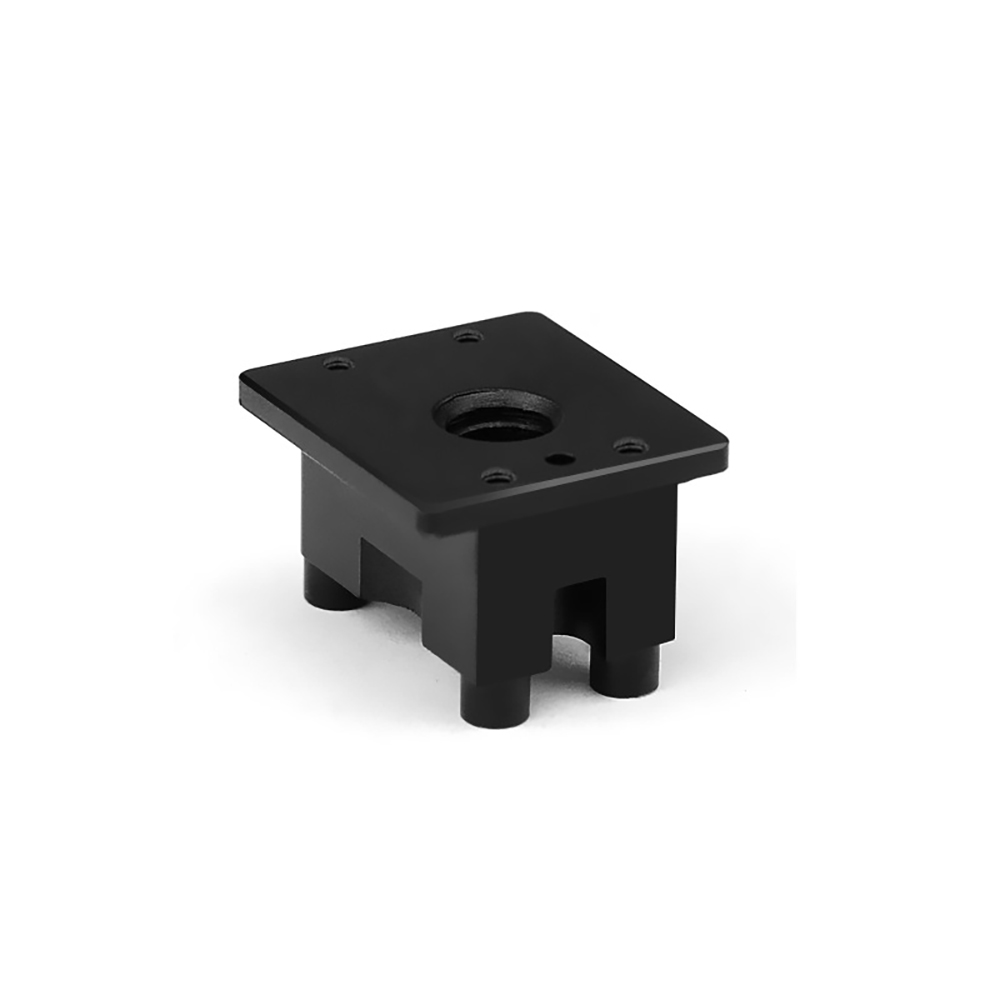
Whatever Plastic maching parts ,High Precision Steel Machining,Brass lathe machining or Aluminum precision machining . they all have where they are applicable.